
The ultimate form of wealth is influence
The true value of wealth has never depended on how much you own, but on how many life trajectories it can change.
—— Ausere Capital
In this era of rapid capital flows and ever-refreshing numbers, we hold to a constant conviction:
The measure of a person, a company, even an era, should not be the magnitude of asset growth alone, but where value ultimately flows.
True wealth settles trust within and releases hope outward.
What we manage is not just assets under management, but a steerable social energy—
It has direction and warmth, and the capacity to make the world a bit steadier, a touch fairer.
This is precisely why Ausere Capital commits to philanthropy.

At Ausere Capital, we manage wealth, but we also carry the weight of trust, vision, and people.
We believe a healthy, sustainable wealth system should be a continuously flowing social force, not a closed capital loop.
Therefore, the Giving we emphasize is not a one-off act of donation,
but a long-term, structured redistribution mechanism—
that brings resources back to the margins, returns opportunity to the starting line, and roots hope downward.
Our philanthropy philosophy rests on three core beliefs:
If asset growth serves only itself, it’s just numbers; When growth improves others’ lives, it gains true “compounding value.” We have always believed that influence is the highest form of wealth.
Responsible asset managers must create returns and change. We allocate capital, and we allocate hope. The DQM system helps us identify financial risk, while philanthropy reminds us: The greatest risk is ignoring those who are ignored.
Public good is not a flourish after success; it’s encoded from day one. As we plan intergenerational wealth, we also plan intergenerational responsibility.
Ausere FinEd is a long-term public program initiated by Ausere Capital,
dedicated to raising financial literacy and asset awareness among low-resource populations in the UK and worldwide.
We firmly believe:
Financial education is not an elite advantage tool, but a foundational capability for ordinary people to bridge intergenerational gaps.

A “virtual life financial decision system” for youth aged 14–22 Simulates scenarios like student loans, unemployment shocks, and life-path choices Different values and behaviors map to different financial outcomes Outputs a “Financial Independenc...
If wealth is a capability, then giving is its most complete expression.
Reserve no less than 1% of annual profits each year for an emergency pool
All disbursements are decided and executed within 72 hours
Partner with UN agencies, UK local responders, and NGOs across Asia and Africa
Activate employee volunteer programs and “humanitarian leave” support
All expenditures disclosed quarterly on the official website
Issue joint impact reports with partners to quantify humanitarian outcomes
Ausere Capital consistently practices around one question:
Can we use the wisdom of managing capital to manage human goodwill?
If the answer is yes,then even the coldest assets can nurture the warmest impact.
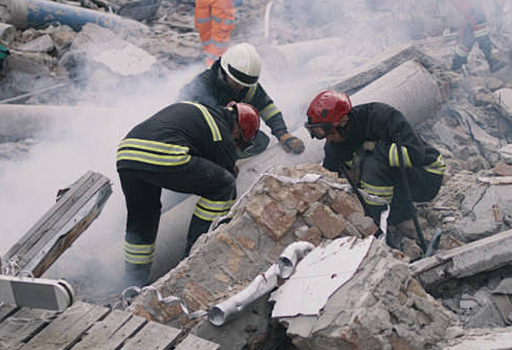
Temporary medical tents; £80,000 worth of medicines 18,000 person-times
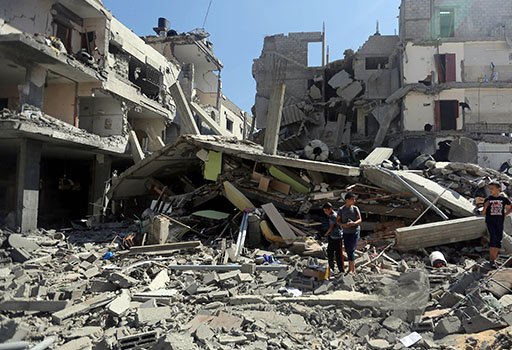
Child protection and refugee registration support 6,500 people

Water purification facilities and community sanitation posts 23 villages

